- Dec 24, 2025
- Exterior Systems
Most homeowners can point to their siding and their roof. Far fewer could point to their soffit and fascia — and fewer still know what those components actually do. Yet when they fail, the consequences reach further than almost any other part of the exterior: ice dams, attic mould, rotted rafter ends, and pest intrusion all trace back to a compromised roofline.
Here's what each part does and why it deserves attention.
What Soffit Does
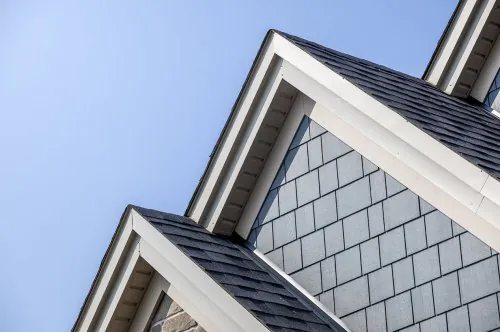
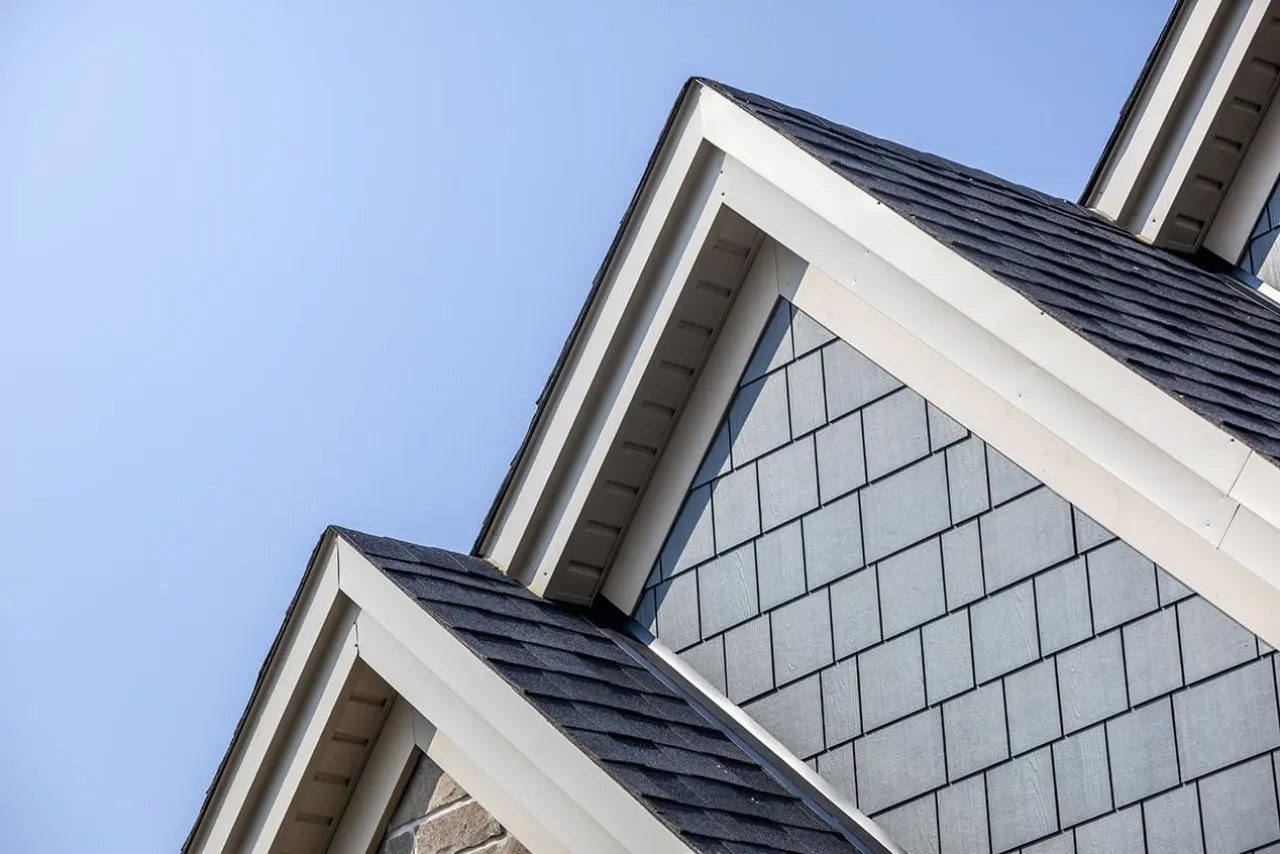
Soffit is the panelling that covers the underside of your roof overhang — the horizontal surface you see when you stand close to the house and look up at the eaves.
Its job isn't just to close off the gap. Soffit is a ventilation intake. Perforated or vented soffit panels let outside air enter at the low edge of the roof, travel up through the attic, and exit through vents at the ridge. That continuous airflow does two critical things in an Ontario climate.
In winter, it keeps the attic cold. A cold attic means snow on the roof melts evenly and drains, instead of melting over warm spots, running to the cold eave, and refreezing into an ice dam. Ice dams push water back under the shingles and into the house, and they're one of the most expensive winter problems a homeowner can face.
In summer, the same airflow carries out trapped heat, which reduces cooling load and extends shingle life.
When soffit ventilation is blocked — by insulation shoved into the eaves, by painted-over vent holes, or by solid panels installed where vented ones belonged — the attic becomes a sealed box. Warm, moist air from inside the house collects there, condenses on cold sheathing, and creates ideal conditions for mould and rot.
What Fascia Does
Fascia is the vertical board that runs along the edge of the roof, capping the ends of the rafters. Your gutters are almost always mounted to it.
Fascia has three jobs. It gives the roofline a clean, finished edge. It seals the rafter ends against weather. And it carries the weight of a fully loaded gutter — which in an ice storm can mean a considerable load.
That third job is what makes fascia failure serious. Wet, rotting fascia loses its grip on gutter fasteners. Gutters begin to sag, water spills where it shouldn't, and the problem compounds: overflowing water soaks the fascia further, accelerating the rot that caused the sag.
Signs Yours Need Attention
Walk your perimeter and look up at the eaves. These are the things to watch for:
- Sagging or separated gutters, or gutters that overflow during a normal rain
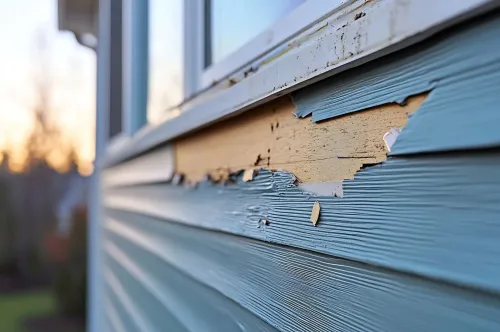
- Peeling paint or dark staining on the fascia board
- Visible gaps, holes, or crumbling in the soffit panels
- Birds or wasps going in and out at the roof edge — soffit gaps are a favourite nesting spot
- Ice buildup along the eaves in winter, which suggests inadequate attic ventilation
- Solid soffit with no visible perforation, which means you may have no intake ventilation at all
Why It's Usually Done With Siding
Soffit and fascia work is easiest and most cost-effective as part of a siding project, for a simple reason: the crew, the ladders or scaffolding, and the access are already in place. Doing it separately means paying for that setup twice.
There's a technical reason too. Siding, soffit, fascia, and trim have to integrate properly at the roofline, with correct overlaps and flashing so water is shed outward at every transition. When one contractor installs siding and another handles the roofline months later, those junctions are where leaks tend to appear.
Material Choices
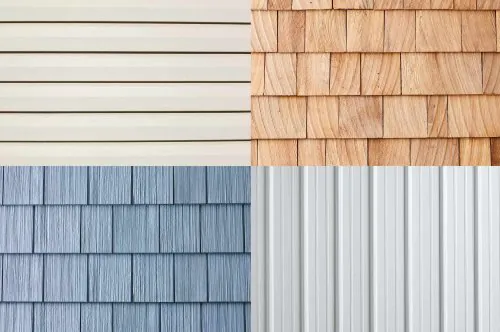
Aluminum is the standard for both, and for good reason — it won't rot, it's light, it holds a factory finish for decades, and it can be formed on site for a precise fit. Vinyl soffit is also common and performs well. Wood fascia is still found on heritage and custom homes, and it looks excellent, but it needs regular painting to survive Ontario winters.
The more important decision isn't the material. It's making sure your vented soffit area is actually sized correctly for your attic volume, and that the insulation inside isn't blocking the airflow you paid for.
The Bottom Line
Soffit and fascia are inexpensive relative to the damage they prevent. Replacing rotted fascia and restoring proper soffit ventilation costs a fraction of remediating attic mould, replacing wet insulation, or repairing water damage from a single serious ice dam.
If your roofline is showing any of the signs above, have it looked at before winter. Clean Cut Siding Inc. installs and repairs soffit, fascia, and custom metal capping throughout the Waterloo Region. Call 226-505-5319 for a free assessment.