- Dec 24, 2025
- Siding Materials
Choosing a siding material is the biggest decision you'll make in an exterior renovation. It sets your home's entire look for the next twenty to forty years, and it determines how well your walls stand up to freeze-thaw cycles, wind-driven rain, and the temperature swings we get across the Waterloo Region.
There is no single best option. There is only the right option for your home, your budget, and how much maintenance you're willing to take on. Here's an honest breakdown of the three materials we install most often.
Vinyl Siding: The Practical Favourite
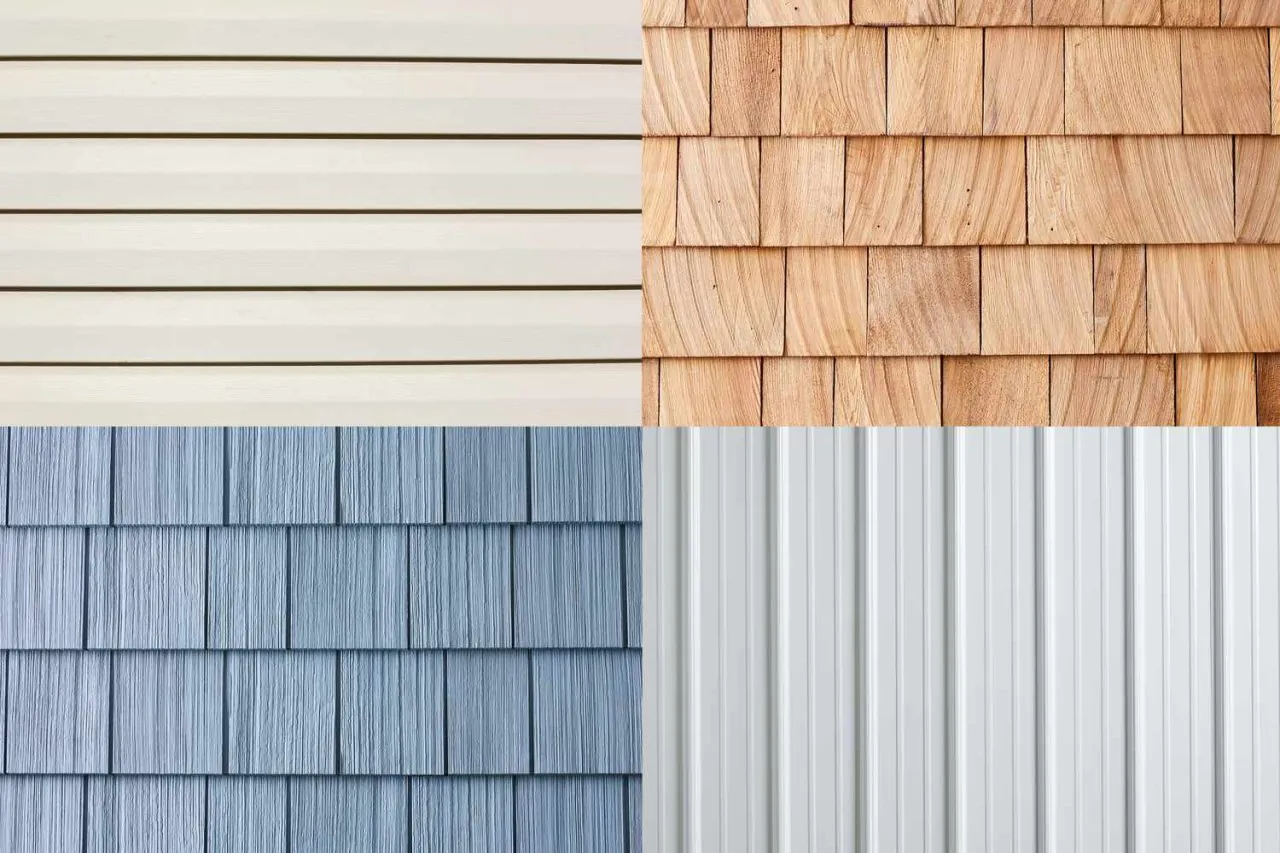
Vinyl remains the most popular choice for Ontario homes, and for good reason. It's the most affordable material to buy and install, it never needs painting, and modern vinyl comes in a huge range of colours and profiles — from traditional clapboard to board-and-batten and shake-style panels.
What it does well: Vinyl is genuinely low maintenance. An annual rinse with a garden hose is usually all it needs. It doesn't rot, it doesn't attract insects, and it won't rust. Insulated vinyl adds a modest R-value boost to your wall assembly, which matters in a climate where heating season runs six months.
Where it falls short: Vinyl becomes more brittle in deep cold, so an impact in February — a hockey puck, a chunk of ice off the roof — is more likely to crack a panel than it would in July. Darker colours can fade over many years of sun exposure, and cheaper grades can warp near heat sources like a barbecue.
Best for: Homeowners who want a strong appearance and long service life at the most reasonable cost, and rental or investment properties where low upkeep is the priority.
Aluminum: The Specialist
Aluminum was once a mainstream siding choice, and you'll still see plenty of it on older Kitchener and Cambridge homes. Today it's used more selectively — and that's where it genuinely excels.
What it does well: Aluminum is completely fire-resistant, won't rot, and stays dimensionally stable in extreme cold. It's also the material of choice for custom metal capping and trim work, because it can be bent and formed on site to wrap window frames, door surrounds, and rooflines with a tight, crisp fit that no pre-made product matches.
Where it falls short: Aluminum dents. A ladder leaned carelessly or a stray stone from a lawnmower leaves a permanent mark, and dents can't be popped out the way they can on a car. Painted finishes will eventually chalk and need refreshing.
Best for: Trim, fascia, soffit, and metal capping — plus full-wall applications where fire resistance is a priority.
Fiber Cement: The Premium Long-Termer
Fiber cement is a mix of cement, sand, and cellulose fibre pressed into planks or panels. It's the heaviest and most expensive of the three, and it delivers the longest service life.
What it does well: Fiber cement is dimensionally stable, non-combustible, immune to insects and rot, and holds paint remarkably well. It's also thick enough to carry deep, convincing wood-grain texture — so it reads as real wood from the curb while requiring a fraction of the upkeep. Properly installed, it can last fifty years or more.
Where it falls short: Cost. Both the material and the labour run higher, because fiber cement is heavy, requires specialized cutting, and demands precise fastening and flashing. Done poorly, it's an expensive mistake — which is why installer experience matters more with this material than any other.
Best for: Homeowners planning to stay long term, higher-value properties, and anyone who wants a wood look without the maintenance.
How to Actually Decide
Work through these questions in order:
- How long will you own the home? Under ten years, vinyl gives you the strongest return. Twenty years or more, fiber cement starts to pay for itself.
- What's the exposure? South and west walls take the most sun and weather. Some homeowners upgrade those elevations and use vinyl elsewhere — a mixed approach that works well.
- What do the neighbours look like? Resale value responds to fitting in with the street, not standing out from it.
- What's your maintenance tolerance? Be honest. Fiber cement will eventually want repainting. Vinyl won't.
Whatever you choose, the material matters less than what goes on behind it. A premium panel over a poorly detailed wall will still let water in. Proper house wrap, flashing at every penetration, and correct fastening are what actually protect your home.
If you'd like a straight comparison for your specific house — including real numbers for each option — we're happy to walk your property and put it in writing. Call Clean Cut Siding Inc. at 226-505-5319 for a free estimate.